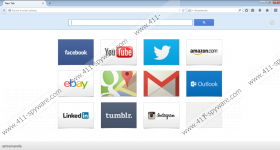
How to Detect & Remove PhaZeBar

What's PhaZeBar?

PhaZeBar is an Internet Explorer toolbar that may be associated with music piracy, crack applications, and torrent. While PhaZeBar features a popup blocker, PhaZeBar may still launch annoying popups and other unwanted ads, including pornographic ads, while you are browsing the Internet. PhaZeBar may also hijack your web browser’s error pages and disable some of your intentionally installed applications. When you’re infected with PhaZebar, it’s recommended you remove the toolbar and all related files immediately.

Do I Have PhaZeBar?

You can search your computer manually, but it might take hours to find PhaZeBar’s hidden files. To save time, I recommend you automatically scan your PC for PhaZeBar and other spyware. Why not? It’s free.

Remove PhaZeBarFree PhaZeBar Scan, with SpyHunter

You can easily detect PhaZeBar with SpyHunter’s FREE spyware scanner. And if you’re really infected with PhaZeBar, you can buy the full version of SpyHunter to remove PhaZeBar and other spyware. Or you can use my instructions below and remove PhaZeBar for free.

I’m a big fan of SpyHunter. Here’s why: SpyHunter offers live support on the phone, and if SpyHunter doesn’t automatically remove PhaZeBar, you can get a custom fix for your computer.

How to Remove PhaZeBar

Your best protection against PhaZeBar is to remove PhaZeBar processes, registry keys, DLLs, and other files ASAP.

Get Rid of PhaZeBar Manually

PhaZeBar warning Manual removal of any spyware can be difficult. When you manually remove PhaZeBar, you have to fiddle with your registry and risk destroying your PC. It’s highly recommended you use an automatic spyware scanner to make sure you’re infected with PhaZeBar. Also, I recommend you backup your system any time before editing your registry.

To remove PhaZeBar manually, you need to delete PhaZeBar files. Not sure how to delete PhaZeBar files? Click here, and I’ll tell you. Otherwise, go ahead and…

Stop PhaZeBar processes:

phazebar[1].exe

Remove PhaZeBar DLLs:

phazebar.dll
tabbedSearch_plugin.dll

Unregister PhaZeBar files:

phazebar.dll
tabbedSearch_plugin.dll
phazebar[1].exe

Delete PhaZeBar registry keys:

1D64667F-517D-4c6f-A3DE-6BB09CEBEA91
Software\Microsoft\Internet Explorer\Extensions\CmdMapping\01E69986-A054-4C52-ABE8-EF63DF1C5211
Software\Microsoft\Internet Explorer\Toolbar\01E69986-A054-4C52-ABE8-EF63DF1C5211
Software\Microsoft\Internet Explorer\URLSearchHooks\01E69986-A054-4C52-ABE8-EF63DF1C5211
XBTB06473
ToolBand.XBTP06473
ToolBand.XBTP06473.1
A1492405-5EF9-4BB5-9AEC-334D401D8C6A
XBTB06473.IEToolbar
XBTB06473.IEToolbar.1
XBTB06473.XBTB06473
XBTB06473.XBTB06473.1
Microsoft\Internet Explorer\Extensions\01E69986-A054-4C52-ABE8-EF63DF1C5211
01E69986-A054-4C52-ABE8-EF63DF1C5211

Note: In any files I mention above, “%System%” is a variable referring to your PC’s System folder. Maybe you renamed it, but by default your System folder is “C:\Windows\System32″ on Windows XP, “C:\Winnt\System32″ on Windows NT/2000,” or “C:\Windows\System” on Windows 95/98/Me.

“%Program_Files%”, “%ProgramFiles%”, or “%Profile%” is a variable referring to a folder in your PC where applications that aren’t a part of your PC’s operating system are installed by default. You may have changed this folder’s name or moved it, but if you didn’t touch it, find the folder as “C:\Program Files”. If you’re having trouble finding this folder, you can locate it by looking up registry value “HKEY_LOCAL_MACHINE\SOFTWARE\Microsoft\Windows\CurrentVersion\ProgramFilesDir”.

Also, “%UserProfile%” is a variable referring to your current user’s profile folder. If you’re using Windows NT/2000/XP, by default this is “C:\Documents and Settings\[CURRENT USER]” (e.g., “C:\Documents and Settings\JoeSmith”).

PhaZeBar changed your homepage?

Click Windows Start menu > Control Panel > Internet Options. Next, under Home Page, select the General > Use Default. Type in the URL you want as your home page (e.g., “http://www.homepage.com”). Then select Apply > OK. You’ll want to open a fresh web page and make sure that your new default home page pops up.

Recommendation:

PhaZeBar removal warning To save time and avoid risking destroying your computer, I highly recommend you use a spyware scanner, such as SpyHunter, to detect PhaZeBar and other spyware, adware, trojans, viruses, keyloggers, and more that can be hidden in your PC. It’s also recommended before you manually remove PhaZeBar you backup your system.

Remove PhaZeBar

Free PhaZeBar Scan, with SpyHunter

Automatically detect PhaZeBar and other spyware on your PC with SpyHunter’s FREE spyware scan.

How Do I Remove PhaZeBar Files?

Need help figuring out how to delete files, DLLs, and registry keys? While there’s some risk involved, and you should only manually remove PhaZeBar files if you’re comfortable and confident editing your system, you’ll find it’s fairly easy to delete PhaZeBar files in Windows.

How to delete PhaZeBar files in Windows XP and Vista:

  1. Click your Windows Start menu, and from “Search,” click “For Files and Folders…
  2. A speech bubble will pop up asking you, “What do you want to search for?” Click “All files and folders.”
  3. Type any file name in the search box, and select “Local Hard Drives.”
  4. Click “Search.” Once the file is found, delete it.

How to stop PhaZeBar processes:

  1. Click the Start menu, select Run.
  2. Type taskmgr.exe into the the Run command box, and click “OK.” You can also launch the Task Manager by pressing keys ALT + CTRL + DELETE or CTRL + Shift + ESC.
  3. Click Processes tab, and find PhaZeBar processes.
  4. Once you’ve found the PhaZeBar processes, right-click them and select “End Process” to kill PhaZeBar.

How to remove PhaZeBar registry keys:

Your Windows registry is the core of your Windows operating system, storing information about user settings, system preferences, and software, including which applications automatically launch at start up. Because of this, spyware, malware, and adware will often bury their own files into your Windows registry so that they automatically launch every time your start up your PC.

Registry Repair Warning for PhaZeBar Because your registry is such a key piece of your Windows system, you should always backup your registry before you make any changes to it. Editing your registry can be intimidating if you’re not a computer expert, and when you change or a delete a critical registry key or registry value, there’s a chance you may need to reinstall your entire Windows operating system. Make sure your backup your registry before editing it.

  1. Select your Windows menu “Start,” and click “Run.” An “Open” field will appear. Type “regedit” and click “OK” to open up your Registry Editor.
  2. Registry Editor will open as a window with two panes. The left side Registry Editor’s window lets you select various registry keys, and the right side displays the registry values of the registry key you select.
  3. To find a registry key, such as any PhaZeBar registry keys, select “Edit,” then select “Find,” and in the search bar type any of PhaZeBar’s registry keys.
  4. As soon as PhaZeBar registry key appears, you can delete the PhaZeBar registry key by right-clicking it and selecting “Modify,” then clicking “Delete.”

Computer acting funny after you’ve edited your registry and deleted PhaZeBar registry keys? Just restore your registry with your backup.

How to remove PhaZeBar DLL files:

Like most any software, spyware, adware, and malware may also use DLL files. DLL is short for “dynamically linked library,” and PhaZeBar DLL files, like other DLLs, carryout predetermined tasks. To manually delete PhaZeBar DLL files, you’ll use Regsver32, a Windows tool designed to help you remove DLL and other files.

  1. First you’ll locate PhaZeBar DLL files you want to delete. Open your Windows Start menu, then click “Run.” Type “cmd” in Run, and click “OK.”
  2. To change your current directory, type “cd” in the command box, press your “Space” key, and enter the full directory where the PhaZeBar DLL file is located. If you’re not sure if the PhaZeBar DLL file is located in a particular directory, enter “dir” in the command box to display a directory’s contents. To go one directory back, enter “cd ..” in the command box and press “Enter.”
  3. When you’ve located the PhaZeBar DLL file you want to remove, type “regsvr32 /u SampleDLLName.dll” (e.g., “regsvr32 /u jl27script.dll”) and press your “Enter” key.

That’s it. If you want to restore PhaZeBar DLL file you removed, enter “regsvr32 DLLJustDeleted.dll” (e.g., “regsvr32 jl27script.dll”) into your command box, and press your “Enter” key.

How Did I Get PhaZeBar?

You may be wondering how PhaZeBar ended up on your PC. If you’re infected with PhaZeBar or other spyware, your system’s and web browser’s security settings may be set too low, you may not follow safe web browsing and email habits, and you may need to regularly use a good anti-spyware application. Unsafe computer behavior that may lead to your PC having PhaZeBar includes:

 Freeware or Shareware:
Did you download and install shareware or freeware? These low-cost or free software applications may come bundled with spyware, adware, or programs like PhaZeBar. Sometimes adware is attached to the free software to “pay” developers for the cost of creating the software, and more often spyware is secretly and maliciously attached to free software to harm your computer and steal your personal and financial information.

 Peer-to-Peer Software:
Do you use a peer-to-peer (P2P) program or other application with a shared network? When you use these applications, you put your system at risk for unknowingly downloading an infected file, including applications like PhaZeBar.

 Questionable Websites: Did you visit a website that’s of questionable nature? When you visit malicious sites that are fishy and phishy, Trojans, spyware, and adware may be automatically downloaded and installed onto your computer, sometimes including applications like PhaZeBar.

It’s important to practice safer online habits to prevent being infected with PhaZeBar . You may want to scan your computer for the latest version of PhaZeBar and other security threats.

Detect PhaZeBar & Other Malware

Is your computer infected with malware?

When you’re infected with malware, whether it’s PhaZeBar, spyware, adware, trojans, rogue anti-spyware, keyloggers, worms, or viruses, there are a few key symptoms you may experience. If you notice one or more of the symptoms listed below, your PC may be infected with PhaZeBar or other malware. Continue reading below, or click here for a free malware scan.

 Slow computer performance: It only takes one or two spyware parasites like PhaZeBar to cause your computer to slow dramatically. If your PC takes longer than usual to reboot or if your Internet connection is unusually slow, your computer may be infected with malware.

 New desktop shortcuts or switched homepage: Malware like PhaZeBar may change your Internet settings or redirect your default homepage to another web site. Malware may even add new desktop shortcuts on your PC.

 Annoying popups on your PC: Malware may bombard your computer with popup ads, even when you’re not online. Malware may stop your regular Internet activity and track your surfing habits and gather personal information about you, putting your financial and personal information at risk.

Understanding PhaZeBar & Spyware

If you’re infected with PhaZeBar and spyware, you should know what you’re fighting. I’ll explain some spyware definitions related to PhaZeBar.

PhaZeBar May Be a Browser Helper Object

What are Browser Helper Objects?

Browser helper objects (BHO) are often created by website authors to customize and control Internet Explorer and the way websites appear on IE. Browser helper objects usually load when Internet Explorer starts up, and BHO’s may share IE’s memory and perform various actions on any available windows and modules. It’s possible for browser helper objects to detect events, create additional windows to display information, and monitor your messages and actions.

PhaZeBar may act this way, and depending on the activities of PhaZeBar, PhaZeBar may range from simply annoying to a threat to your privacy and your system’s stability and security.

Some browser helper objects may also fall under the category of spyware. Spyware is any software or malware (”malicious software”) used to spy or track your computer activity. While some spyware is legitimately and intentionally installed by parents or employers to monitor Internet activity on a computer, spyware may be installed maliciously. Often spyware may come bundled with downloads of free software or come in the form of a cookie via a website, and this spyware may track your Internet activity or may steal secret account usernames and passwords, credit card numbers, and other personal and financial information.

PhaZeBar May Be a Browser Hijacker

What are Browser Hijackers?

Browser hijackers can change your web browser settings. Browser hijackers may change your home page to or redirect your searches through a pay-per-click site to make money, and browser hijackers may also monitor your web activities. Often, resetting your web browser to its default settings will not remove or stop the browser hijacker from working.

PhaZeBar may act this way, and depending on the activities of PhaZeBar, PhaZeBar may range from simply annoying to a threat to your privacy and your system’s stability and security.

Some browser hijackers may also fall under the category of spyware. Spyware is any software or malware (”malicious software”) used to spy or track your computer activity. While some spyware is legitimately and intentionally installed by parents or employers to monitor Internet activity on a computer, spyware may be installed maliciously. Often spyware may come bundled with downloads of free software or come in the form of a cookie via a website, and this spyware may track your Internet activity or may steal secret account usernames and passwords, credit card numbers, and other personal and financial information.

PhaZeBar May Be Adware

What’s Adware?

Adware is software designed to promote advertisements. Adware may act without your authorization or knowledge. Often, free utilities may install hidden adware, sometimes to earn money for the author to recover development costs. While adware is not always malicious, it can track your Internet activity and send this and other personal information from your computer to advertisers. When advertisers get this information, you may be a target for pop-up/pop-under advertisements, web browser toolbars, and spam.

Some adware may also fall under the category of spyware. Spyware is any software or malware (”malicious software”) used to spy or track your computer activity. While some spyware is legitimately and intentionally installed by parents or employers to monitor Internet activity on a computer, spyware may be installed maliciously. Often spyware may come bundled with downloads of free software or come in the form of a cookie via a website, and this spyware may track your Internet activity or may steal secret account usernames and passwords, credit card numbers, and other personal and financial information.

To protect yourself specifically against adware, there is software designed to detect and remove adware from your PC with a few clicks of your mouse, such as Adware Remover.

PhaZeBar-Related Posts

  » No related posts

PhaZeBar's Threat Level Explained

PhaZeBar Is a Minor Pest PhaZeBar is a minor pest

The parasite isn't a real threat, but PhaZeBar may track your Internet activities. PhaZeBar may be easily removed with your Windows system "Add/Remove" function.

PhaZeBar Is a Pest PhaZeBar is a pest

The parasite might profile you web activities and may have installed itself onto your PC via a drive-by download. You can probably manually remove PhaZeBar yourself.

PhaZeBar Is a Minor Threat PhaZeBar is a minor threat

The parasite might profile you and other users of your PC, and PhaZeBar may send this data back to its parent server.

PhaZeBar Is a Medium Threat PhaZeBar is a medium threat

The parasite might profile you and other users of your PC, and PhaZeBar may send this data back to its parent server. PhaZeBar may be impossible to manually remove.

PhaZeBar Is a Threat PhaZeBar is a threat

The parasite might profile you and other users of your PC, and PhaZeBar may send this data back to its parent server. PhaZeBar may download and install more malware onto your PC, and PhaZeBar may be impossible to manually remove.

PhaZeBar Is a Minor Danger PhaZeBar is a minor danger

The parasite may profile you, log every keystroke you make, and take snopshots of your computer activity. PhaZeBar may also be difficult to manually remove.

PhaZeBar Is a Medium Danger PhaZeBar is a medium danger

The parasite may profile you, log every keystroke you make, and take snopshots of your computer activity. PhaZeBar may download more malware and also be very difficult to manually remove.

PhaZeBar Is a Danger PhaZeBar is a danger

The parasite may profile you, log every keystroke you make, and take snopshots of your computer activity. These logs may be sent to anonymous attacker, and PhaZeBar may download more malware. PhaZeBar may be very difficult to manually remove.

PhaZeBar Is a Major Danger PhaZeBar is a major danger

The parasite may track all of your computer activity, and PhaZeBar may allow a hacker to access your PC. PhaZeBar may pipe more malware into your computer, and may disable your anti-spyware or anti-virus software. PhaZeBar may be very difficult to manually remove.

PhaZeBar Is an Extreme Danger PhaZeBar is an extreme danger

The parasite may track all of your computer activity, and PhaZeBar may allow a hacker to control your computer. PhaZeBar may pipe more malware into your computer, and may disable your anti-spyware or anti-virus software and firewall, and block your access to anti-spyware sites. PhaZeBar may be very difficult to manually remove.

Comment on "PhaZeBar" - Your Responses Help Us Get Rid of PhaZeBar!